

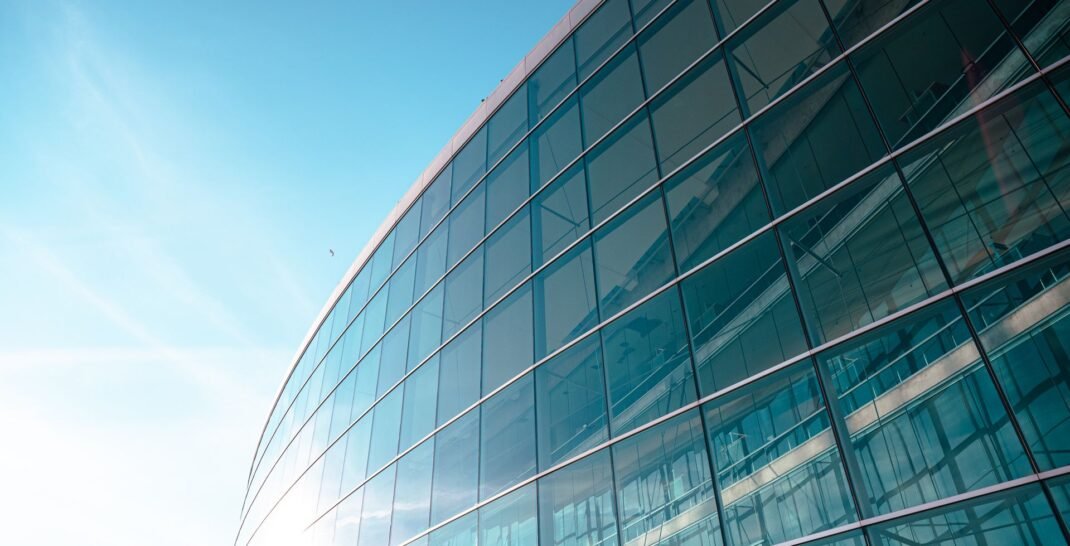
A spider glass system in Dubai holds toughened glass panels using stainless steel fittings, called spiders, bolted through small holes in the glass corners. It gives a frameless, see through look for facades, entrances, canopies and lobbies, and it needs proper engineering to be safe.
- Glass: toughened, often heat soaked, 10mm to 19mm or thicker
- Fittings: 316 grade stainless steel is best for Dubai conditions
- Must have: engineer calculations and a strong supporting structure
- Typical cost: about AED 900 to AED 2,500 per square meter
- Typical timeline: 3 to 8 weeks depending on size
This guide explains the design options and the structural side in plain language, so you can talk to contractors with confidence.
What Is a Spider Glass System? A Simple Explanation
Picture a glass wall with almost no visible frame. Instead of aluminium running around every panel, small stainless steel fittings hold the glass at its corners. These fittings have arms that reach out like legs, which is why people call them spiders.
Each spider connects to a bracket or support behind the glass. The glass is drilled at the corners, and special bolts hold it in place while allowing tiny movements. The result is a clean, open surface that feels almost like a sheet of air.
Spider systems are also called point fixed glazing. They are popular with architects because they let in maximum light and show off the building design.
Where Spider Glass Is Used in Dubai
Shopfronts and Entrances
Retail shops in malls and on Sheikh Zayed Road use spider glass to create bold, open entrances. It lets customers see inside without frames getting in the way.
Building Facades and Atriums
Offices and hotels in Downtown, Business Bay and DIFC use spider glazing for lobbies and feature walls. Tall glass walls look dramatic, especially when lit at night.
Canopies and Walkways
Glass canopies over entrances and walkways give shelter from sun and rain without blocking light. These usually need laminated glass for safety overhead.
Staircases, Balustrades and Villas
In villas across Emirates Hills and Palm Jumeirah, spider glass is used for double height entrances, glass balustrades and feature windows.
Design Ideas for Spider Glass in Dubai
- Frameless entrance wall: a tall glass front with a pivot or sliding door.
- Glass canopy with slim fittings: a light, modern roof over an entrance.
- Double height lobby glazing: floor to ceiling glass with steel fins behind.
- Frosted or tinted panels: privacy and glare control without losing the open look.
- Sandblasted logos: branding on shopfronts and reception walls.
- Matte or polished spiders: choose a finish that matches the interior.
Toughened Glass in Dubai: Why It Matters for Spider Systems
Spider fittings carry the weight of the glass and the force of wind through small points. That puts stress on the glass around each hole, so ordinary glass is not strong enough.
According to the National Glass Association, toughened glass is heat treated to be much stronger than regular glass of the same thickness. If it breaks, it forms small, blunt pieces instead of sharp shards. That is why toughened glass is the standard for point fixed systems.
| Glass Type | Best For | Strength and Safety | Notes |
| Toughened glass | Interior walls, low risk areas | Strong, breaks into small pieces | Most common starting point |
| Heat soaked toughened | Facades, entrances, high areas | Lower risk of rare spontaneous breakage | Recommended for large panels |
| Laminated toughened | Canopies, overhead glass, balustrades | Stays in place if cracked | Extra safety, higher cost |
| Double glazed unit | External facades | Strong, helps with heat and noise | Needs suitable fittings |
Heat soak testing is an extra step where toughened glass in Dubai is heated to reveal rare internal flaws before installation. It is widely recommended for glass that is fixed overhead or at height.
Structural Basics in Simple Words
Wind and Weight
The glass must carry its own weight and resist strong winds. In Dubai, tall facades face higher wind pressure, so panel size and thickness are calculated for each project.
Drilled Holes and Glass Edges
Holes are drilled before toughening, never after, because drilling toughened glass can cause it to break. As a rule of thumb, holes should sit well away from the edge, and your engineer will confirm the exact distances.
The Supporting Structure
The spiders are only as strong as what holds them. Steel frames, glass fins or the building structure must be stiff enough, because too much movement can overstress the glass.
Heat Movement and Tolerances
Dubai heat makes glass and metal expand. Good systems allow small movement with special bolts and joints. Careful measurement keeps the holes lined up on site.
Read also: Toughened Glass vs Laminated Glass
Fittings That Last in Dubai
Choose 316 grade stainless steel for fittings, especially near the coast. Salt and humidity can stain cheaper grades over time.
Safety Checks and Approvals in Dubai
Spider glazing is structural work, so it should come with engineering. Ask for calculations and drawings from a qualified structural engineer before ordering glass.
Facades, canopies and external glazing usually need approval from your landlord, building management and the relevant authorities, such as Dubai Municipality or Civil Defence for fire and life safety. Free zones may have their own rules. A good glass company will help you prepare the paperwork.
Spider Glass System Prices in Dubai
Prices depend on size, glass, fittings and the supporting structure. These ranges are a friendly guide, not a fixed quote.
| Type of Work | Approximate Price (AED) | Notes |
| Interior spider glass wall | 900 to 1,500 per sq m | Toughened glass, standard fittings |
| Entrance or shopfront system | 1,200 to 2,200 per sq m | Often heat soaked glass |
| Facade with double glazed units | 1,800 to 2,500 per sq m | Depends on size and supports |
| Laminated glass canopy | 1,200 to 3,000 per sq m | Includes brackets and sealing |
| Spider fittings only | 150 to 600 per piece | Depends on arms and grade |
What changes the price most:
- Glass type, thickness and size
- Number and type of spider fittings
- Supporting steelwork or glass fins
- Engineering and approvals
- Height, access and installation difficulty
Read also: Tempered Glass Supplier Dubai
How Long Does a Spider Glass Project Take?
| Step | Typical Time |
| Site visit and measurement | 30 to 60 minutes |
| Design, engineering and approval | 1 to 3 weeks |
| Glass cutting, drilling and toughening | 2 to 4 weeks |
| Installation | 2 days to 2 weeks |
Glass cannot be changed after toughening, so exact measurements and approved drawings avoid expensive delays.
Choosing a Glass Company in Dubai for Spider Glazing
Spider glass is not a simple off the shelf job. When you look for a glass company in Dubai, check these points:
- Experience with structural glazing, not just windows and doors
- Engineering support and clear drawings
- Quality of glass, fittings and sealants
- Clear written quote listing glass, fittings and finishes
- Warranty, after sales service and past project photos
Be careful with very low prices. They often mean thinner glass, lower grade fittings or no engineering.
Care Tips for Spider Glass
- Clean glass with a soft cloth and mild cleaner
- Rinse stainless steel fittings with clean water, especially near the coast
- Avoid harsh chemicals on fittings and sealants
- Check bolts, gaskets and sealant once a year
- Report cracks or chips in the glass right away
Common Mistakes to Avoid
- Skipping engineering. Point fixed glass needs proper calculations.
- Using low grade fittings. They stain and weaken in humid weather.
- Choosing basic glass overhead. Use laminated glass for canopies.
- Guessing measurements. Holes must match exactly.
- Ignoring approvals. Check building and authority rules early.
Why Choose Milass for Spider Glass in Dubai
Milass is a Dubai company specializing in glass and metal work for homes, offices and shops. We know how the climate affects materials and how important accurate measurement and good fittings are for structural glazing.
With Milass you get:
- A free site visit and careful measurement
- Honest advice on glass, fittings and structure
- Quality toughened and laminated glass
- Durable stainless steel fittings
- Neat installation with minimal mess
We would rather help you design it right than repair it later.
Ready to Plan Your Spider Glass Project? Talk to Milass
A well designed spider glass system can make your entrance, facade or canopy look stunning and feel full of light. If you have a plan or just an idea, we are happy to help you shape it.
Contact Milass today for a free site visit and a no pressure quote. Send us a message, call our team or visit our showroom, and we will help you plan your spider glass project.
People Also Ask: Spider Glass System FAQs
How much does a spider glass system cost in Dubai?
Spider glass systems in Dubai typically cost about AED 900 to AED 2,500 per square meter, depending on glass type, structure and fittings. Laminated, double glazed or large custom panels cost more. Spider fittings alone usually range from AED 150 to AED 600 each. A site visit gives an accurate quote.
What glass is used in spider glazing?
Spider glazing uses toughened glass, often heat soaked, in thicknesses of 10mm to 19mm or more. Laminated toughened glass is common for canopies and overhead areas, and double glazed units suit facades that need heat control. The right choice depends on load, height and building safety rules.
Why is toughened glass used for spider systems?
Spider fittings put stress on small points of the glass, so the glass must be strong. Toughened glass is much stronger than regular glass and breaks into small, blunt pieces. It also handles the heat and wind loads common in Dubai. Heat soak testing adds extra protection against rare spontaneous breakage.
Is spider glass safe?
Yes, when it is designed, made and installed properly. Safety depends on toughened or laminated glass, engineer calculations, quality stainless steel fittings and a strong supporting structure. Cheap fittings or poor measurements are the main risks. Always choose an experienced contractor and ask for engineering drawings.
What is the difference between a spider glass system and a curtain wall?
A curtain wall typically holds glass in a continuous aluminium frame, so metal is visible between panels. A spider glass system holds glass at its corners with point fixings, giving a more open, frameless look. Spider systems are often used for feature entrances and lobbies.
Does spider glass need a structural engineer in Dubai?
Yes, in most cases. Spider glazing carries wind loads and the glass weight through small fixing points, so calculations are important. A structural engineer checks the glass, fittings and supporting steel. Dubai authorities and building management often ask for approved drawings and calculations before work starts.
How long does spider glass installation take in Dubai?
Small entrances or canopies often take three to five weeks from measurement to installation. Large facades can take eight weeks or more. Glass is cut, drilled and toughened to order, and heat soak testing adds time. Engineering approval and site readiness also affect the schedule.
What stainless steel grade is best for spider fittings in Dubai?
Grade 316 stainless steel is the safer choice in Dubai, especially near the coast, because it resists salt and humidity better than 304. Grade 304 may suit indoor areas. Ask your supplier for the grade in writing, as cheaper fittings can stain or corrode over time.
How do I choose a glass company in Dubai for spider glazing?
Look for a Dubai glass company with experience in structural glazing, engineering support, quality fittings and clear quotes. Ask to see finished projects and warranty terms. Milass designs and supplies spider glass systems across Dubai, including Business Bay, Al Quoz, Marina, JLT and Downtown. Contact us for a free quote.