

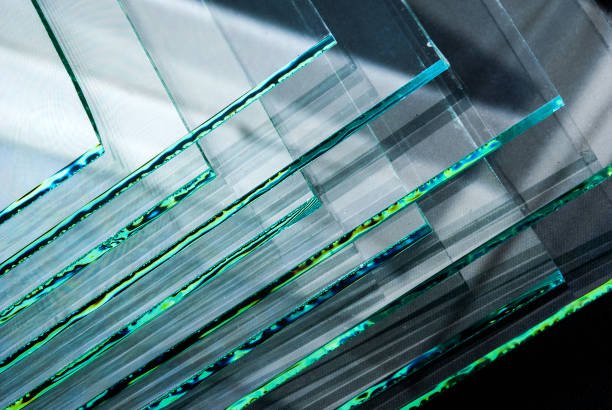
If you’ve ever looked through a perfectly clear window, walked past a sleek glass facade on a Dubai tower, or admired a frameless shower enclosure in a luxury hotel bathroom, you’ve already experienced float glass without realising it. It’s everywhere in Dubai’s built environment, and yet most people have never heard the term or understand what it actually means.
At Glass World Industries, we work with float glass every single day across hundreds of projects in Dubai and the wider UAE. From glass partitions and shower enclosures to curtain wall systems and glass doors, float glass in Dubai is the foundation material behind almost every glass product we supply and install.
Understanding what float glass is, how is float glass made, and what it’s used for helps you make genuinely smarter decisions about the glass in your home, your office, or your commercial space in Dubai.
This guide explains float glass meaning in plain, simple language so that by the time you finish reading, you’ll know exactly what you’re looking at the next time someone mentions it in the context of your Dubai property.
What Is Float Glass? Understanding the Meaning
Float glass meaning is straightforward once you understand it. Float glass is not a specific type of glass in the way that toughened glass or laminated glass are specific types. It’s actually a description of how the glass is manufactured.
Float glass in Dubai gets its name from the float glass manufacturing process, developed in the late 1950s by Sir Alastair Pilkington, which remains the dominant method for producing flat glass across the world today, including in the UAE.
Before this revolutionary process was developed, producing large sheets of genuinely flat, optically clear glass was extremely difficult and enormously expensive. Earlier manufacturing methods produced glass with surface distortions and optical inconsistencies that affected both its clarity and its usefulness for building applications across any market, let alone a demanding one like Dubai.
The float glass process solved these problems completely and permanently, and in doing so it transformed glass from a relatively specialist and expensive material into one of the most widely available and affordable building products in the world. Today, when a glass supplier in Dubai or a contractor refers to standard clear glass, they are almost certainly referring to float glass in Dubai in its basic, uncoated form.
How Is Float Glass Made? The Complete Process
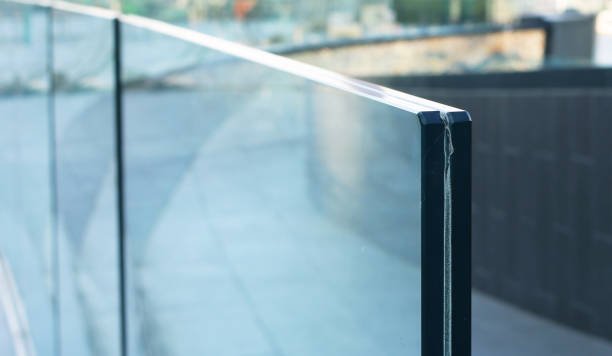
Understanding how is float glass made helps explain why float glass in Dubai looks and performs the way it does, and why it’s so widely used across the city’s construction and fit-out industry.
Raw Materials for Float Glass Manufacturing
Float glass production begins with a carefully controlled mixture of raw materials selected and proportioned to create the desired glass properties. The main ingredient is silica sand, which forms the primary structural component of the glass and gives it its essential glass properties.
Soda ash is added to lower the melting temperature of the silica and make the glass-making process economically feasible. Limestone and dolomite are included to improve the durability and chemical stability of the finished float glass. Various minor additives control specific properties of the glass such as colour, clarity, and chemical resistance.
These raw materials are mixed in precise proportions and fed continuously into a large furnace where they are melted together at temperatures exceeding 1500 degrees Celsius. The result is a continuous flow of molten glass with a consistent chemical composition that forms the basis for everything that follows in how is float glass made.
The Float Bath: Where Float Glass Gets Its Name
This is the critical step that gives float glass in Dubai its name and its defining characteristics. The molten glass flows out of the furnace and onto a bath of molten tin. Because glass is less dense than tin, it floats on the surface of the tin bath rather than sinking into it.
As the glass ribbon moves along the tin bath, it spreads out naturally under the influence of gravity and surface tension, finding its own equilibrium thickness across the full width of the bath. Because the tin surface is perfectly flat and liquid, the underside of the glass ribbon becomes perfectly flat.
Because the top surface of the glass is in contact with a controlled atmosphere of nitrogen and hydrogen above the bath, it also becomes smooth and fire-polished without any mechanical contact or grinding.
The result is a glass ribbon with two perfectly flat, fire-polished surfaces and a consistent thickness across its entire width and length. This is the fundamental achievement of the float glass process and what makes float glass in Dubai so optically clear and so genuinely useful for building applications across the city.
The Annealing Lehr: Controlled Cooling
As the glass ribbon exits the float bath, it passes through a long controlled cooling chamber called an annealing lehr. The purpose of annealing in the float glass manufacturing process is to reduce the internal stresses that would otherwise develop in the glass as it cools from the extreme high temperatures of the float bath.
Without annealing, glass would cool unevenly and rapidly, developing stress concentrations that would make it fragile and prone to spontaneous cracking and breakage. The annealing lehr cools the float glass in Dubai slowly and evenly over a carefully controlled temperature profile, producing a glass ribbon with very low internal stress that can be cut, handled, and processed without risk of spontaneous cracking or failure.
Cutting, Inspection, and Distribution
At the end of the annealing lehr, the continuous glass ribbon passes through automated quality inspection systems that detect any inclusions, bubbles, distortions, or other defects in the float glass. Sections of the ribbon that don’t meet quality standards are identified and rejected before they can be distributed.
The ribbon is then cut by automated cutting systems into sheets of the required stock dimensions. These sheets are stacked, packed, and prepared for distribution to glass processors, suppliers, and fabricators across Dubai and the wider UAE market, where the float glass will be further processed into the specific glass products needed for each individual project.
Float Glass in Dubai: How It’s Used and Processed
Float glass in its basic annealed form is rarely used directly in finished building applications across Dubai. Instead, it serves as the essential starting material that is further processed into the specific glass products that Dubai’s construction, fit-out, and renovation sectors require.
Toughened Float Glass in Dubai
The most common processing step applied to float glass in Dubai is toughening, also called tempering. Float glass sheets are cut to the required dimensions, any edge work, drilling, or shaping is completed before processing, and the glass is then passed through a toughening furnace where it’s heated to extremely high temperatures and rapidly cooled to create the compressive surface stress that gives toughened float glass in Dubai its superior strength and safety characteristics.
Toughened float glass is the standard specification for shower enclosures, glass partitions, glass doors, and glass furniture across Dubai’s residential and commercial projects because of its safety breakage pattern and durability in the city’s demanding environment.
Laminated Float Glass in Dubai
Float glass is also processed into laminated glass by bonding two or more sheets together with a PVB interlayer material under heat and pressure in an autoclave. Laminated float glass in Dubai is used for glass balustrades, overhead glazing, shopfronts, and security glazing applications where the hold-together characteristic of laminated glass is a safety or security requirement.
Double Glazed Units From Float Glass
Float glass is used to produce insulating glass units, commonly called double glazing, by sealing two sheets of float glass together with a spacer bar and gas-filled cavity between them. Double glazed float glass units are now standard in Dubai’s external windows, curtain wall systems, and glass facade applications where thermal and acoustic performance are important considerations.
Coated Float Glass for External Applications
Solar control and low-emissivity coatings are applied to float glass in Dubai to improve its thermal and energy performance for external glazing applications in the city’s demanding climate. These coatings are typically applied during the float glass manufacturing process or as a subsequent processing step, creating glass products that significantly reduce unwanted solar heat gain while maintaining natural light transmission.
Mirrors From Float Glass
Mirrors are produced by applying a reflective metallic coating to one surface of a float glass sheet. The optical flatness of float glass makes it the ideal substrate for mirror production, and mirrors produced from float glass are used extensively in Dubai’s residential, hospitality, and retail interiors because of their clarity and durability.
Float Glass Dubai: Why It Matters for Your Project
Understanding what float glass is and how is float glass made helps you appreciate why it’s the foundation of almost every glass product used in Dubai. The flat, optically clear surface characteristics of float glass, achieved through the manufacturing process, are what make it possible to create toughened glass, laminated glass, coated glass, mirrors, and all the other glass products that transform Dubai’s buildings every single day.
Glass World Industries: Float Glass Specialists in Dubai
At Glass World Industries, float glass in Dubai is at the heart of almost everything we supply and install. Whether you need toughened float glass for a shower enclosure, laminated float glass for a glass balustrade, double glazed float glass units for new windows, or coated float glass for a commercial facade, we bring the expertise, the quality materials, and the installation skill to deliver the right result for your specific project.
We work with the highest quality float glass in Dubai and process it into the specific products your project requires. We offer free consultations and detailed quotes for glass projects of all sizes across Dubai and the UAE, providing honest advice based on genuine experience in Dubai’s market.
Contact Glass World Industries today for a free consultation on float glass products for your Dubai project. Let’s get your project started the right way.